Category Archives: Nativities

Vitalinho Presépio

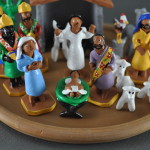
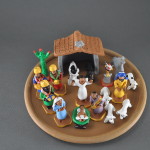
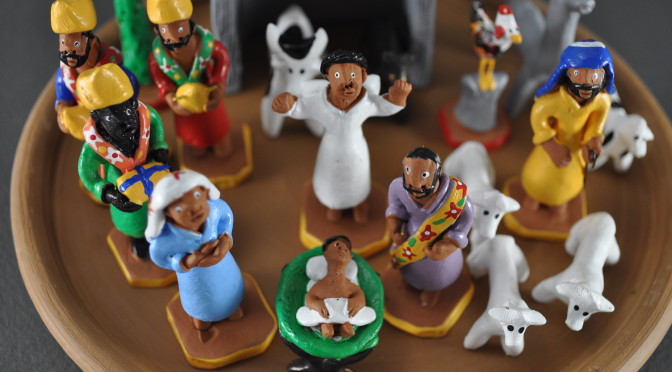
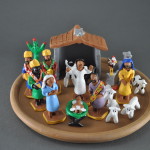
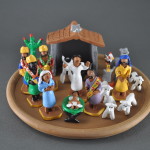
This playful Brazilian presépio or nativity is from the state of Pernambuco in the north east of Brasil, more specifically from the town of Caruaru. It was made following the tradition established by Mestre Vitalinho Pereira dos Santos, a legendary folk artist from Caruaru, famous for his intricate clay figurines depicting rural Brazilian life.

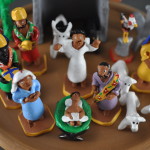
This nativity comprises of 19 painted clay pieces: Joseph, Mary, Jesus in a manger, a stable with silver star, a cactus, an angel, a shepherd, three kings, a donkey, a cow, a donkey, four sheep, a rooster and the plate on which this nativity is exhibited.

Two pieces are of note: the cactus and the rooster.

The rooster refers to the legend that a rooster was present in the stable where Jesus was born. Immediately after Jesus’ birth the rooster started to crow, thus announcing the divine birth to the world. The Midnight Mass on Christmas Eve is known in Brasil and certain other countries such as Spain and Bolivia as Missa do Galo or Misa del Gallo or the Mass of the Rooster. One cannot but make an additional connection with the rooster that crowed three times as Peter Denied Jesus.

The cactus is a great example of inculturation. As each culture started to depict the nativity they added elements borrowed from their own experience. Whereas Germans and Austrians might add evergreens, people from more arid climates added a cactus.
 

Bulgarian Nativity Icon

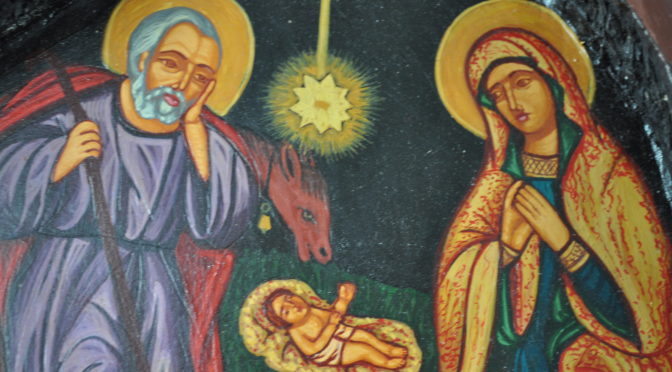
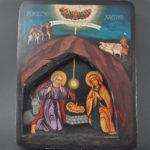
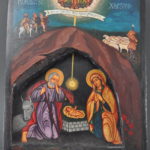
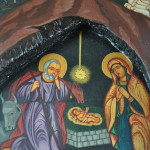
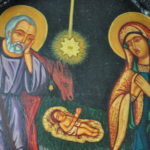
This three-dimensional icon creates the impression of a cave in which the Holy Family is huddled together. In the center the baby Jesus is lying on some straw. The star of Bethlehem shines brightly above Jesus. Mary kneels down in adoration. Joseph holds his left hand to his head in seeming disbelief. The traditional ox and donkey are present.
Beyond the cave a shepherd who is tending his sheep gazes in amazement at the singing choir of angels. The three magi arrive in the distance.
Two inscriptions illuminate the visual message. The scroll above the cave of the Nativity right beneath the singing angels reads as follows though with some difficulty: Δόξα εν υψίστοις Θεω και επί γης ειρήνη which is Greek for “Glory to God in the highest and on earth peace.” The two words on either side of the singing angels seem to be Bulgarian:  рождество and христово meaning the Nativity of Christ. Though the и in  христово is replaced with a Greek ι as in  хрιстово.

Nadia Keildinova owns a gallery in a small tourist town called Nesebar in Bulgaria. She has been painting icons for over 30 years. About her work she says: “I’m very proud of the fact, that you can find an Icon painted by me in almost every country in the World. In the summer of 2018 I became the artistic ambassador for my country in the “European Art Museum” located in Denmark. My Icons are made with the techniques created by the Masters of Old.”

Traditional Kokeshi Holy Family

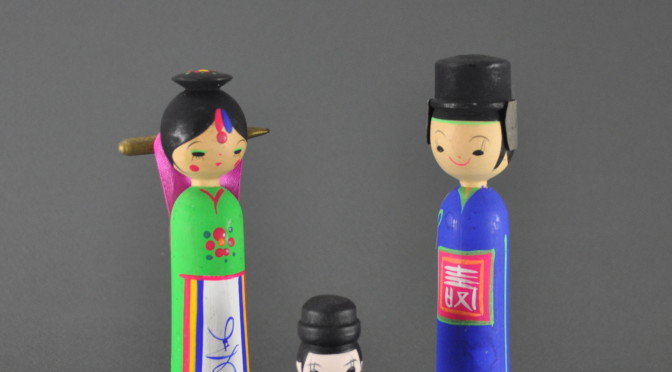
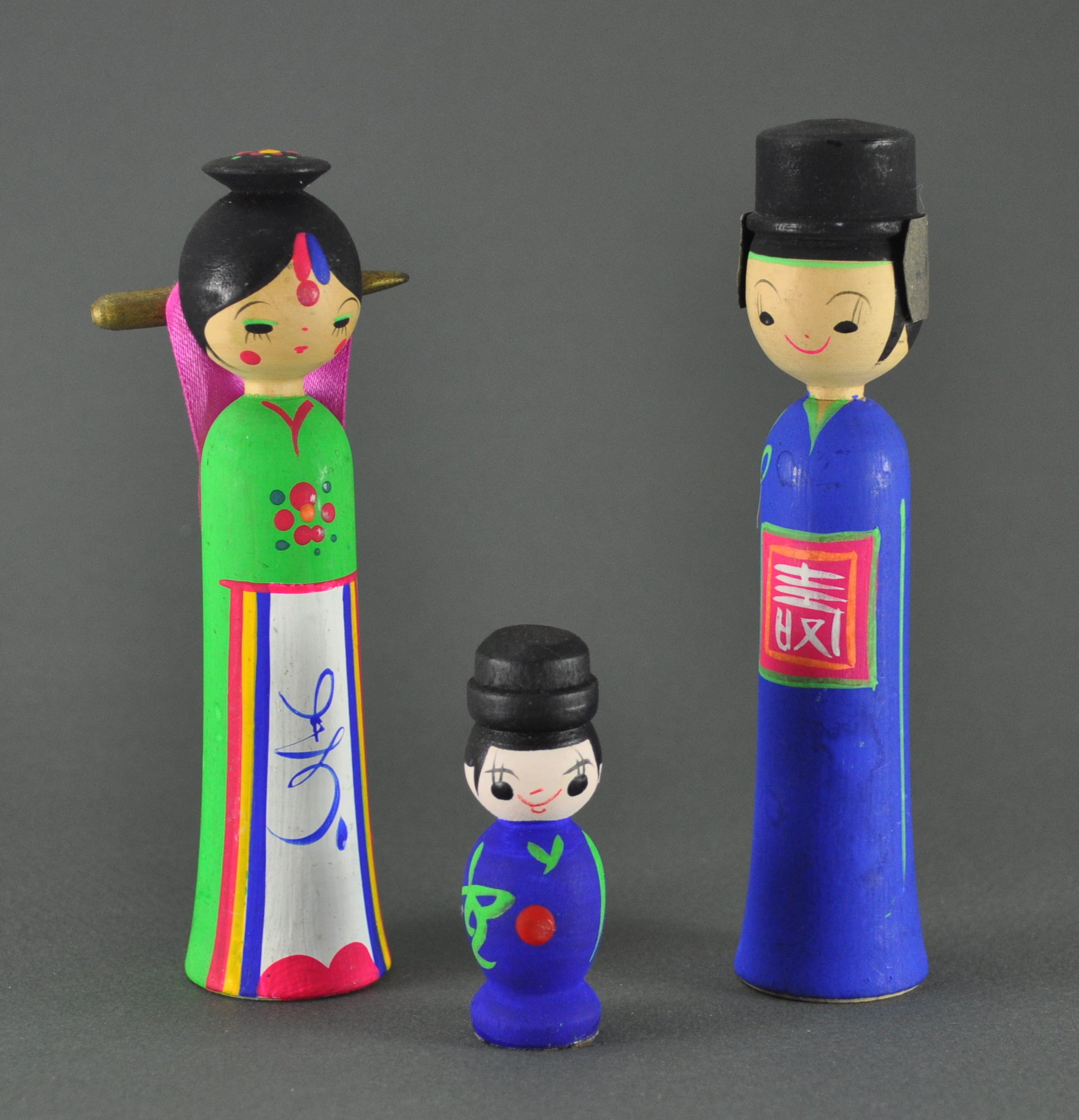
This lovely Holy Family comprising Jesus, Mary and Joseph is presented as Kokeshi or traditional Japanese dolls.

Traditional Kokeshi began to be made about two hundred years ago in the northeast region of Japan known as the Tohoku region. It is commonly believed that the 18th C.  Kijiya or woodworkers who originally specialized in household utensils began to make small dolls which they sold to the tourists who came to bathe in the many hot springs near their villages.

Kokeshi traditionally consist of a basic cylindrical limbless body and a round head. Though the first dolls might have been unpainted, today most Kokeshi are painted in bright colors. The traditional colors used were red, yellow, and purple. The woods used for Kokeshi vary though dogwood most popular.


DSC_0223

Kisii Nativity Relief

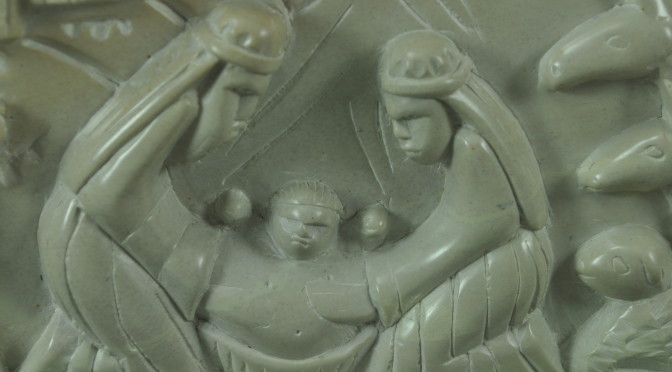
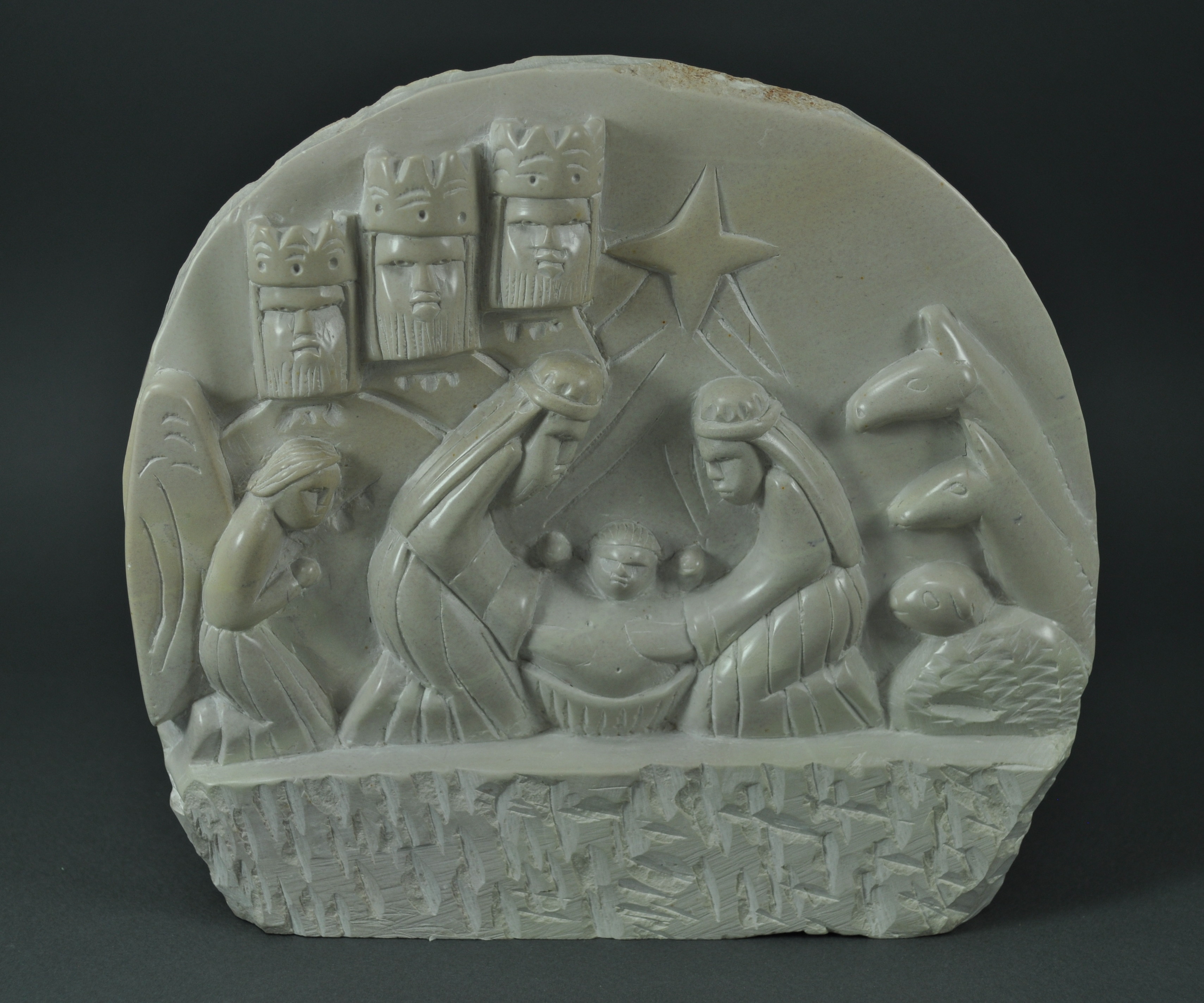
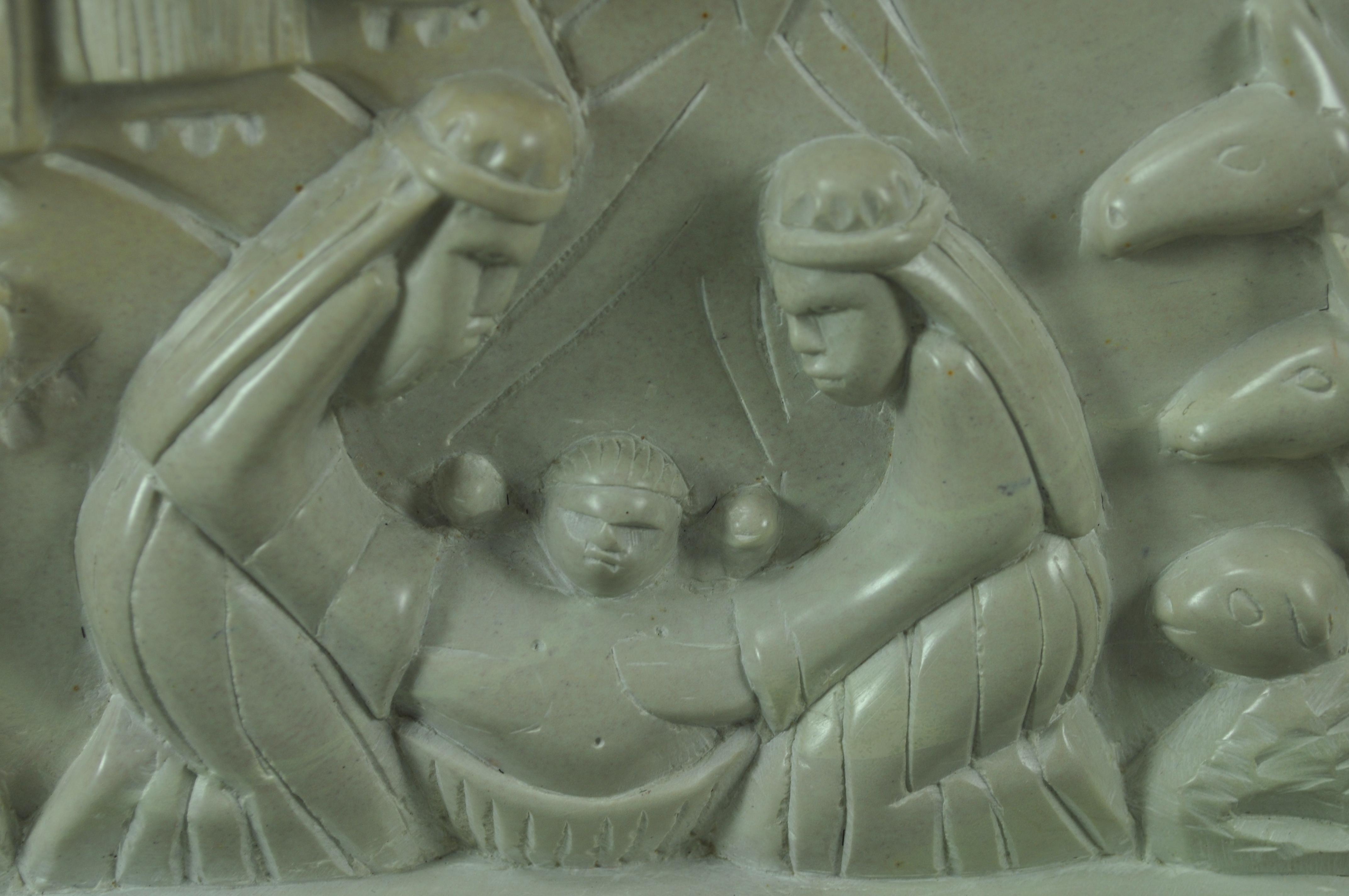
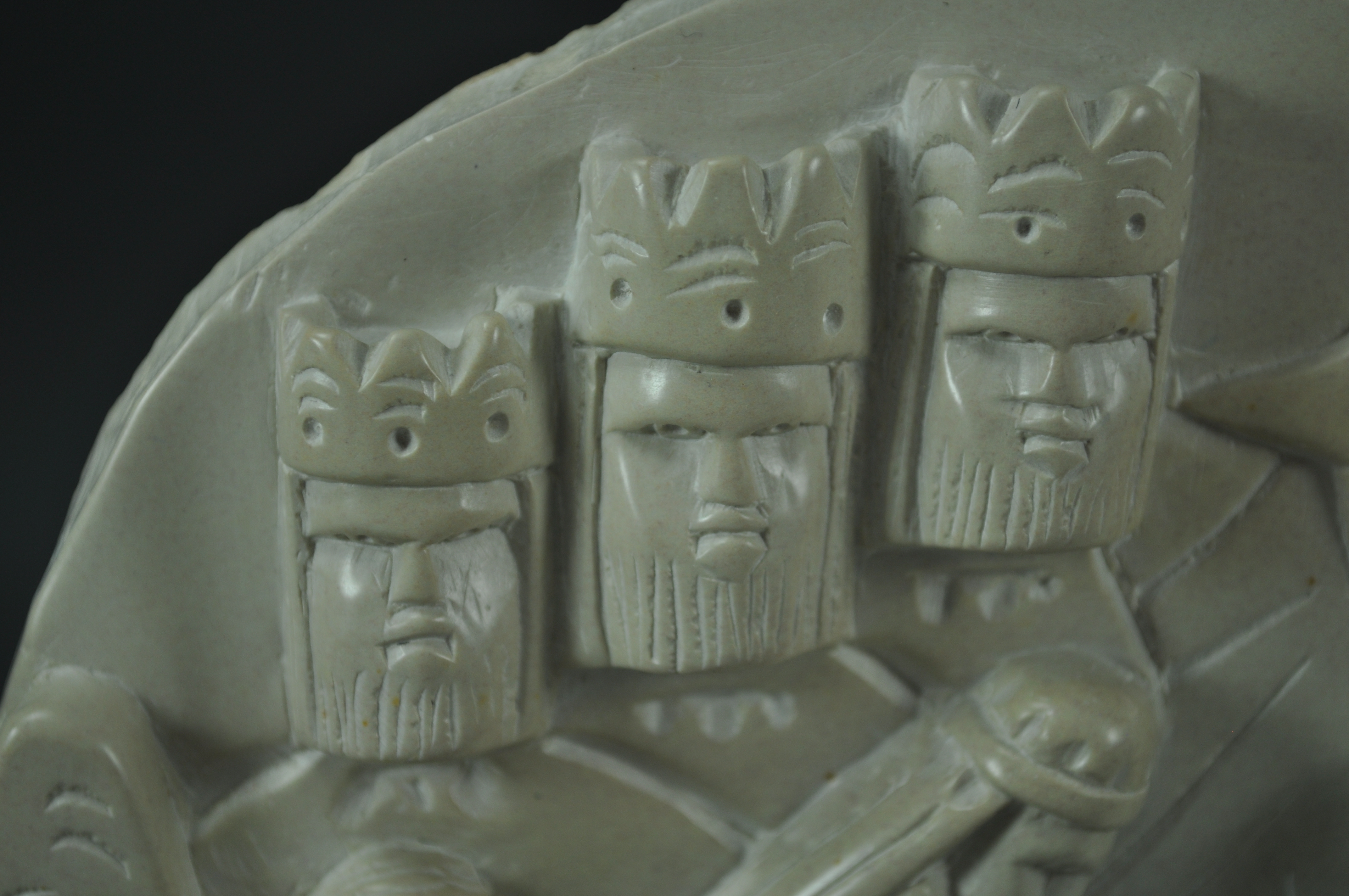
Mary and Joseph comfort baby Jesus in this kisii stone nativity. An angel worships from the left while animals look on from the right. The magi appear in the distance, following the star which appears above Jesus. This beautifully carved relief is made out of ]Kisii soapstone. This stone which is  found only in Kenya is a soft stone, easy to carve into many forms. Its satiny finish is achieved through multiple stages of sanding, followed by waxing.

Kisii Nativity
Kisii Nativity

Kisii Nativity
Kisii Nativity

Kisii Nativity
Kisii Nativity

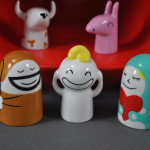
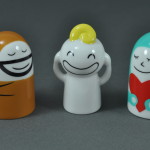
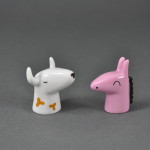
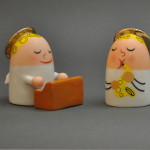
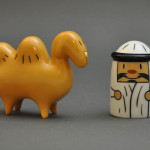
Alessi Presepe

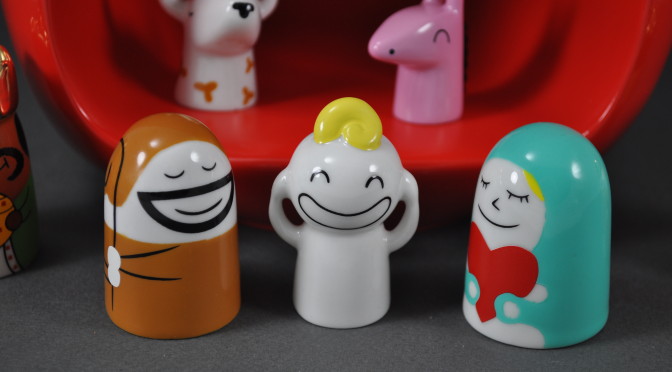
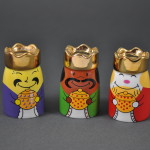
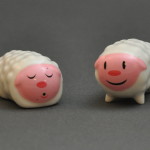
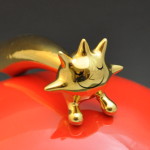
This colorful and playful nativity was designed by Massimo Giacon for Alessi, an Italian Design Company started by the Alessi family in 1921.

Born in Padua, Italy, in 1961, Massimo Giacon is a comic-strip artist and illustrator, a leading light in the renewal of Italian comic, he divides his time as a graphic artist, designer, musician and artist.

This nativity was made in Italian porcelain and hand painted.

Of great interest is the depiction of the magi. They playfully illustrate the belief promoted by  the Venerable Bede (d. 735) that the Magi or wise men represented the three parts of the world known to him: Asia, Africa, and Europe.